
The Reality of California Drought Cycles
California landscapes exist in a Mediterranean climate characterized by long, dry summers and
unpredictable winter rainfalls. When drought conditions persist, site stakeholders frequently respond
with drastic, reactive measures: indiscriminately turning off irrigation zones or letting established
plantings die back.
Unfortunately, reactionary shut-offs often cause catastrophic loss of mature tree canopies and long-term
erosion, creating costly replanting liabilities. A sustainable, resilient site requires intentional
horticultural management—balancing water conservation with plant asset longevity.
1
Irrigation Distribution Uniformity & Catch-Can Auditing
The majority of water waste on commercial and HOA sites does not stem from watering too frequently—it
stems from poor distribution uniformity (DU). When sprinkler heads have unequal nozzle pressures,
mismatched arcs, or clogged filters, contractors increase overall run-times by 50% just to eliminate a
few dry spots.
A certified QWEL irrigation audit measures actual precipitation rates and distribution
uniformity across each hydrozone. Correcting pressure imbalances, converting outdated high-flow spray
nozzles to high-efficiency rotary nozzles, and repairing head tilt frequently produces immediate 20–30%
water savings without sacrificing turf or shrub health.
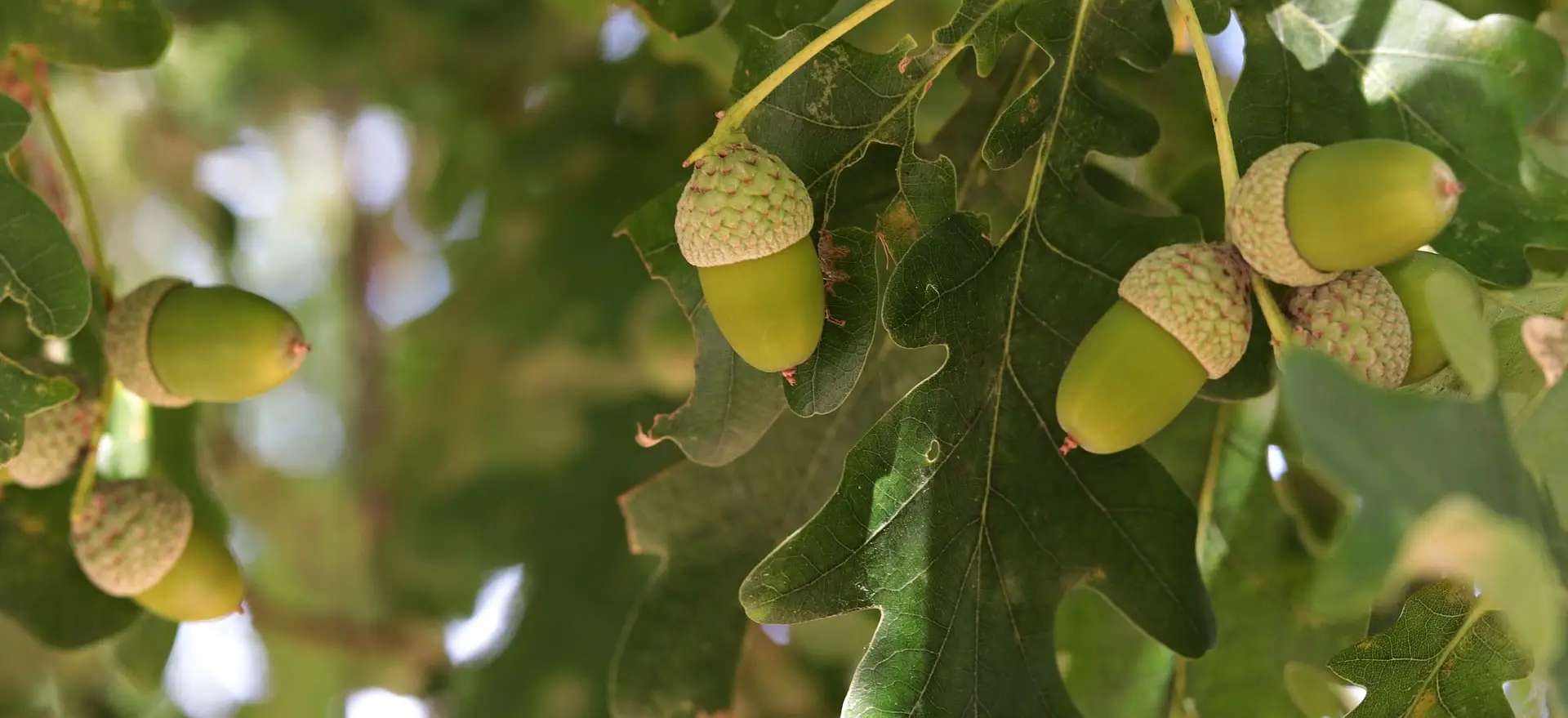
Quercus agrifolia.
2
Prioritizing Canopy Assets: The Specimen Tree Protocol
Turfgrass and annual flowers can be easily replanted following drought restrictions, but a 40-year-old
Coast Live Oak or Sycamore takes decades to replace. Under severe drought stress, trees become
vulnerable to devastating secondary pathogens such as bark beetles, oak pit scale, and root rot.
Maintain dedicated deep-root irrigation schedules for all mature trees using sub-surface drip or soaker
loops outside the root flare. Separating tree hydrozones from shallow turf zones ensures canopy assets
receive essential moisture during summer months.
3
Organic Mulch Layering & Soil Moisture Retention
Applying a 3- to 4-inch layer of coarse, organic wood mulch across all shrub and planting beds reduces
soil moisture evaporation by up to 70%, buffers root zone soil temperatures against summer heat spikes,
and suppresses water-competing weed growth. Keep mulch 4 to 6 inches away from woody stems and tree
trunks to prevent fungal infection.
4
Smart Controller Weather Calibration & Water Budgeting
Modern weather-based smart controllers (ET controllers) automatically adjust daily runtime durations
based on real-time temperature, wind, humidity, and solar radiation data from local weather stations.
Calibrating smart controller slope, soil type, and plant coefficient settings prevents over-irrigation
during cool or overcast marine layer days.
5
Third-Party Contractor Quality Assurance & Accountability
Even the best water management plan will fail without consistent field verification. Botanicon conducts
monthly third-party quality assurance audits—checking controller logs, valve meter reads, line
pressures, and plant moisture stress. We provide property managers with objective 100-point scoring
reports, ensuring landscape contractors execute agreed scope before monthly invoice authorization.